Ultimate "Road to College" survival guide from 17th Street Automotive
ultimate "Road to College" survival guide from 17th street automotive
Ultimate "Road to College" survival guide.
1. Pre-Flight Check: Prep Your Vehicle
Don't wait until you're halfway through a mountain pass to realize your wipers don't work. Before you load the mini-fridge, check these basics:
- The Hardware: Inspect the condition of your tires, battery, and wiper blades. Cold weather is especially brutal on old batteries.
- The Fluids: Ensure your antifreeze and washer fluid are topped off.
- The Look: Clear all snow and ice from your windows and roof before moving. "Peephole driving" through a tiny cleared spot on your windshield is a recipe for disaster.
- The Outfit: Dress in layers of warm, lightweight clothing rather than one heavy coat so you can adjust your temperature easily.
2. Your Road Trip "Go-Bag"
You shouldn't just have snacks in your car. Every college-bound vehicle needs a dedicated emergency kit.
Essential Gear... Why You Need It:
Visibility
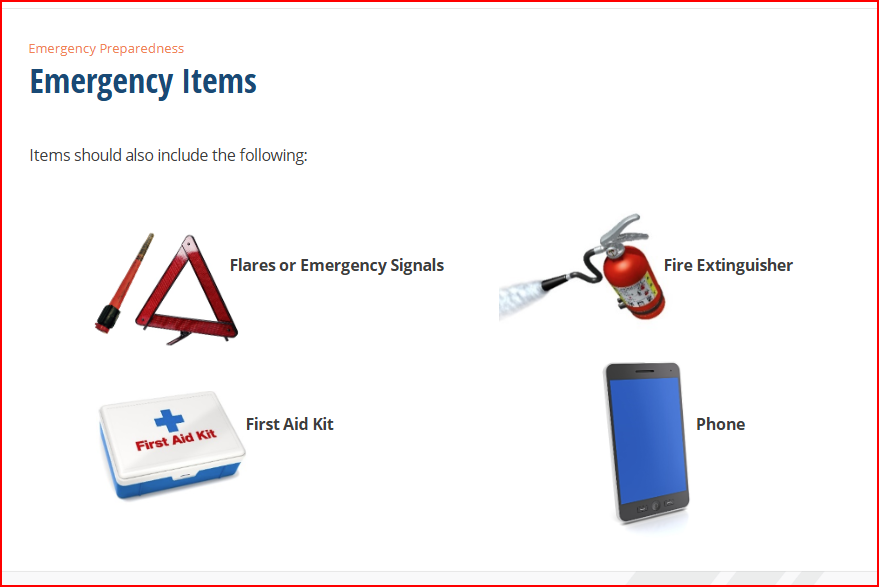
Hazard lights, reflective triangles, flares, and a reflective vest.
Tools
Jumper cables, a spare tire (and the knowledge of how to use the jack).
Survival
Water, nutritious dried/canned food, matches, and blankets.
Safety
A first aid kit and a fire extinguisher.
Power
A fully charged phone and a high-quality flashlight.
3. The "Golden Rules" of Safety Gear
Think you’re too cool for a seatbelt or that you can "brace yourself" in a crash? Let’s look at the math:
Seatbelts: Non-Negotiable
- The Myth: "I can brace myself."
- The Reality: In a crash at only 30 MPH, a 165 lb. person bracing themselves is equivalent to trying to push 3 tons of cement. You will lose that fight.
- The Risk: You are 25 times more likely to be ejected from the vehicle if you aren't buckled up.
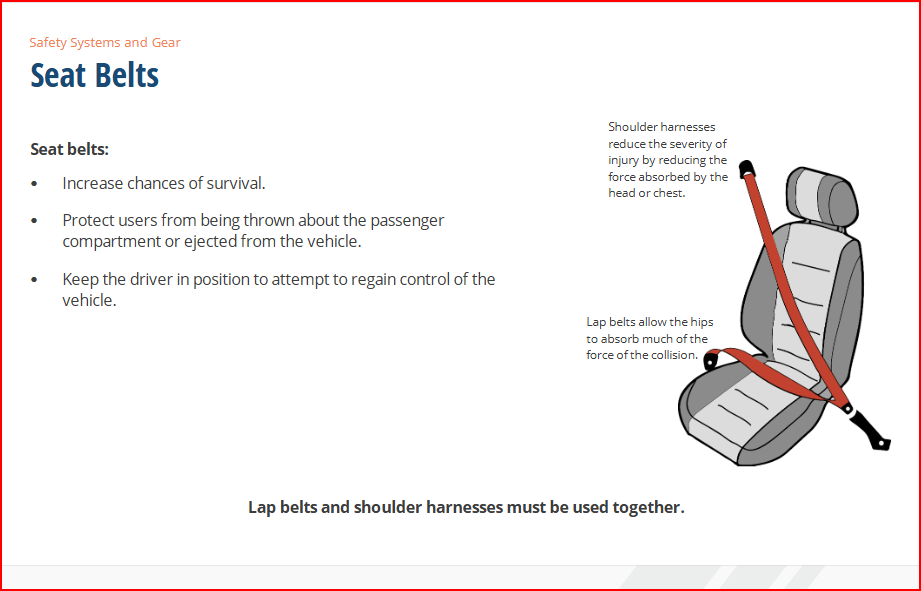
- The Fit: Lap belts and shoulder harnesses must be used together. The lap belt lets your hips absorb the force, while the shoulder harness protects your head and chest.
Airbags: Supplemental Protection
- The 10-Inch Rule: Keep at least 10 inches of clearance between your breastbone and the steering wheel to avoid the "risk zone" of an inflating airbag.
- Hand Placement: Grip the wheel at 4 and 8 o’clock to ensure your arms aren't in the way if the airbag deploys.
- Maintenance: Airbags inflate in 1/25th of a second and must be replaced immediately after any deployment.
4. Handling a Roadside Emergency
If something goes wrong (like a flat tire or engine failure), stay calm. Panicking leads to jerky movements that cause accidents.
When the emergency occurs:
- Do not slam on the brakes.
- Maintain a firm grip on the steering wheel.
- Take your foot off the gas and coast toward the shoulder or an exit.
- Use your turn signals to alert other drivers.
Once you are safely on the side of the road:
- Stay with the vehicle. It is your best source of shelter and makes you easier for rescuers to find.
- Stay visible. Put on your reflective vest and set up your triangles/flares.
- Stay away from traffic. Never stand directly in front of or behind your vehicle.
5. Stranded in the Cold?.
If you get stuck in a winter storm, your car is your lifeboat.
- Run the engine sparingly: Only run the heater occasionally to save fuel.
- Clear the tailpipe: Ensure your exhaust pipe isn't blocked by snow to prevent carbon monoxide poisoning.
- Keep moving: Perform minor exercises (moving your arms and legs) to keep blood flowing and maintain body heat.
- Avoid Caffeine and Alcohol: These can actually make you lose body heat faster and lead to dehydration.
- Watch the signs: Keep an eye out for frostbite (numbness/discoloration) and hypothermia (shivering/confusion).
Pro-Tip: If you're stranded, use bright or reflective material (like a colorful scarf or a specialized flag) tied to your antenna or closed in a window to alert passersby.
Safe travels, Patriots! Have a great freshman year.