Importance of a Vehicle Safety Inspection
Billy Cadaing • September 5, 2025
importance of virginia safety inspection
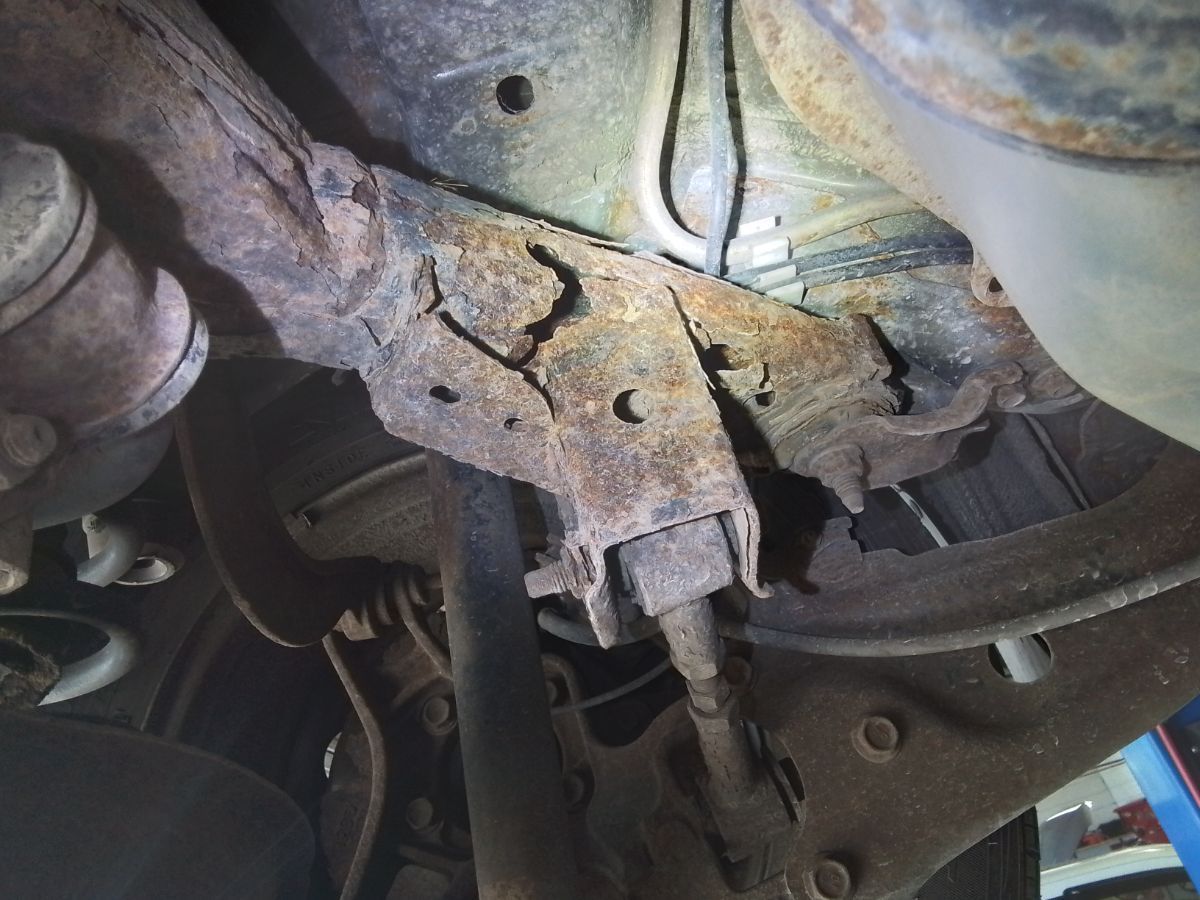
Importance of Vehicle Safety Inspections in Virginia
1. Statutory Requirement & Compliance
Under Virginia Code § 46.2-1157**, any motor vehicle, trailer, or semitrailer registered in Virginia and operated or parked on a highway within the Commonwealth **must be submitted annually for inspection at an official inspection station. Failing to comply—or failing to correct identified mechanical defects—constitutes a separate offense for each day of non-compliance ([Virginia Law][1]). This establishes a legal obligation and underscores that inspection isn't merely advisory—it’s mandatory.
2. Annual Re-inspection and Defect Follow-Up
According to Virginia Code § 46.2-1158, vehicles must be re-inspected within 12 months, and at least once per year thereafter ([Virginia Law][2]). Vehicles that fail inspection receive a **rejection sticker**, valid for 15 days (in addition to the inspection day), during which only the previously identified defects need addressing unless new, obvious defects are present ([Virginia Law][2]).
3. Enforcement Guidelines and Penalties
Law enforcement officers are prohibited from stopping a vehicle solely for an expired inspection sticker until the first day of the fourth month after its original expiration date. Moreover, any evidence discovered during an unlawful stop—such as without proper cause—cannot be admitted in court ([Virginia Law][1]). Nonetheless, driving with an expired sticker still exposes operators to daily infractions and possible Class 3 misdemeanor charges, with fines mounting quickly if left unaddressed ([Allen and Allen][3]).
4. Value for Safety and Public Welfare
Vehicle inspections cover vital safety components—tires, brakes, steering, lighting, windshield, exhaust systems, and more ([Virginia Tire & Auto][4], [Craftsman Auto Care][5], [Virginia Law][6]). Research affirms that vehicles with defects are significantly more likely to be involved in fatal crashes—especially those involving worn or slick tires ([Virginia Tire & Auto][4]). The comprehensive inspection program reinforces safe driving conditions across the Commonwealth.
5. Consumer Protection in Vehicle Sales
Virginia Code § 46.2-1539 mandates that vehicle dealers must conduct safety inspections before selling vehicles intended for public highway use. If a vehicle fails inspection, dealers must either remedy the defects or provide written disclosure to the buyer before the sale. Violations of this requirement are treated as a Class 1 misdemeanor, reinforcing transparency and consumer protection ([Virginia Law][7]).
6. Continuous Evolution & Anti-Fraud Measures
To enhance security and fraud prevention, Virginia introduced new state inspection stickers featuring holographic images of the state seal and the dogwood flower. These stickers will rotate in color annually: blue in 2026, red in 2027, returning to yellow in 2028 ([Axios][8]). This reflects a forward-looking effort to preserve the integrity of the inspection system.
Why It Matters
Shared Responsibility on the Road
When you are driving at Interstate speeds, the condition of your vehicle isn’t just about your own safety—it directly impacts everyone else on the road. A vehicle with worn-out brakes, bald tires, or faulty steering poses a serious risk not only to the driver but to every family, friend, and neighbor traveling alongside them. A single mechanical failure at 65 to 70 miles per hour can lead to catastrophic accidents involving multiple vehicles, leaving almost no time to react.
Virginia’s safety inspection program was created with this shared responsibility in mind. Driving is not an isolated activity—it’s a collective effort where each driver must do their part to ensure the safety of others. Just as traffic laws require seatbelts, child safety seats, and helmets, annual vehicle inspections ensure that cars, trucks, and motorcycles meet minimum safety standards before being allowed on the road.
Protecting Families, Friends, and Neighbors
Every time you drive, you’re sharing the road with vehicles carrying someone’s loved ones. The car merging beside you may have children in the back seat. The truck in front may need extra distance to stop safely. The car behind you may be driven by a neighbor heading to work. If any one of those vehicles is neglected mechanically, it can put everyone around them in danger. Inspections help catch issues early, so these risks never reach the highway.
Comparisons to Other Safety Standards
Virginia law already enforces personal safety requirements because they save lives. Seatbelts protect occupants inside the vehicle. Child safety seats are designed to protect our youngest passengers. Motorcycle helmets protect riders in the event of a crash. Vehicle safety inspections extend that same principle to the mechanical integrity of the vehicle itself.
In many ways, inspections are even more community-focused, because they protect not only the driver and passengers but also every other person who shares the road. A safe vehicle benefits everyone.
Negligence Versus Compliance
Neglecting inspections can be compared to other dangerous behaviors, such as driving under the influence or texting behind the wheel. In all cases, a driver’s negligence creates avoidable risks that endanger others. Annual inspections ensure that risks tied to mechanical failures are addressed before they put anyone in harm’s way.
A Commitment to Safer Roads
By following Virginia’s inspection requirements, drivers do more than stay in compliance with the law. They contribute to safer communities, reduce emergency incidents, and uphold a standard of care that protects lives. The inspection process is more than a checklist—it is a commitment to keeping Virginia’s roads safe for every family, every friend, and every neighbor.
The Legal Foundation
Virginia law clearly outlines these responsibilities:
Virginia Code § 46.2-1157 requires that every motor vehicle, trailer, and semitrailer registered in Virginia be inspected annually at an official inspection station. Operating a vehicle without a valid inspection constitutes a separate offense for each day of violation.
Virginia Code § 46.2-1158 ensures vehicles are re-inspected each year and details the use of rejection stickers, which provide a 15-day grace period for correcting safety defects.
Virginia Code § 46.2-1539 requires licensed dealers to have vehicles inspected before sale, or to disclose inspection failures in writing, protecting buyers from unsafe purchases.
These laws aren’t just about compliance—they’re about prevention. They ensure that vehicles on Virginia’s roads are maintained to a standard that protects every driver, every passenger, and every family traveling on our highways.
Trust 17th Street Automotive in Virginia Beach, VA for expert auto diagnostics. Our skilled technicians ensure precise services. Schedule an appointment now!
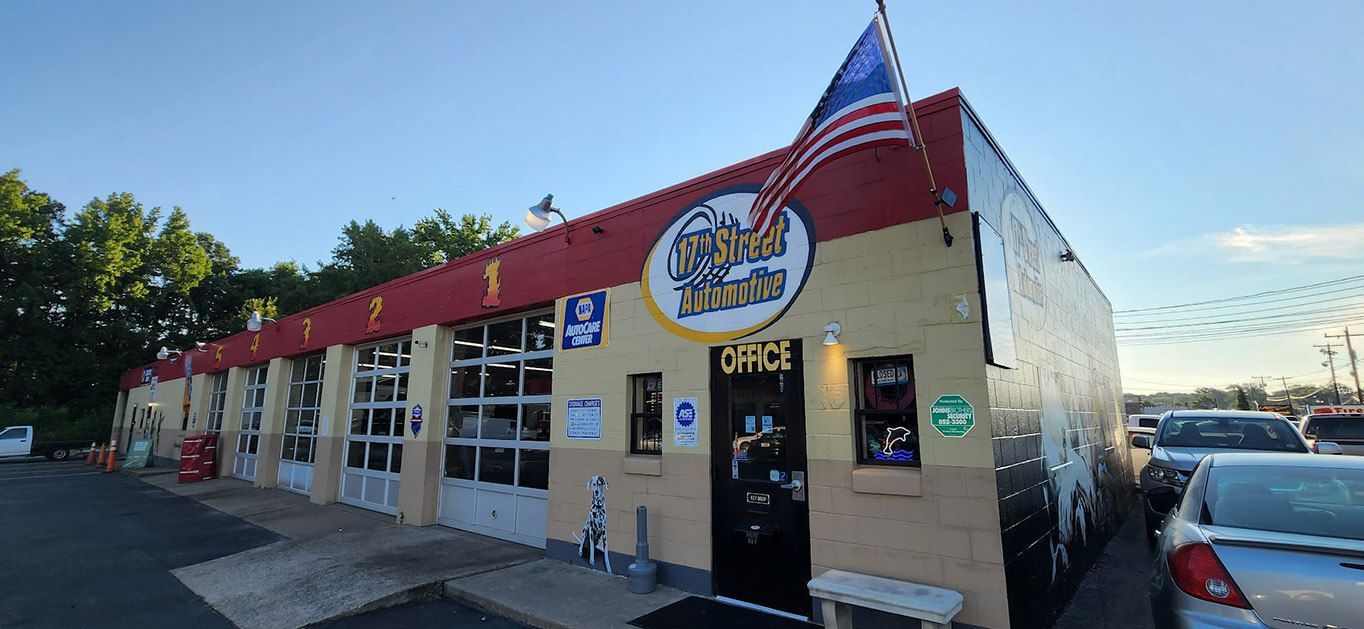
SAME DAY VA SAFETY INSPECTIONS!
Expert hybrid & EV service in Virginia Beach at 17th Street Automotive. Ensure your vehicle runs smoothly. Visit us today!
Finding a Mechanic Who Actually Listens in Virginia Beach
Expert A/C & heat service at 17th Street Automotive in Virginia Beach, VA. Keep your car comfortable all year. Schedule an online appointment today!
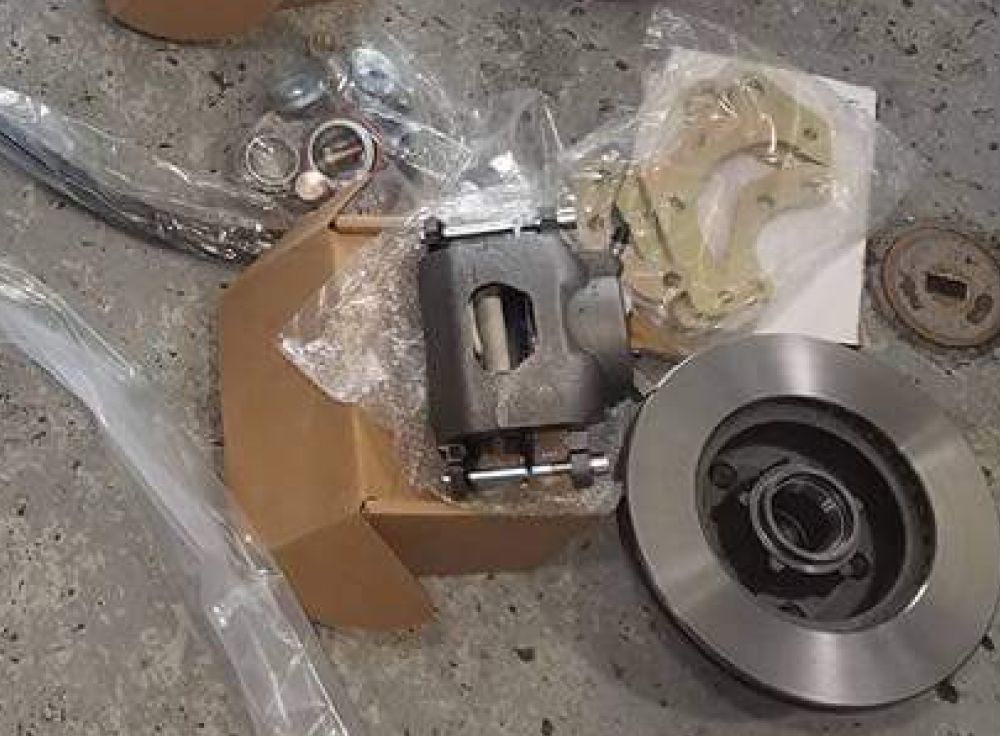
Building Trust in virginia beach: Why 17th Street Automotive is Your Ultimate Choice.
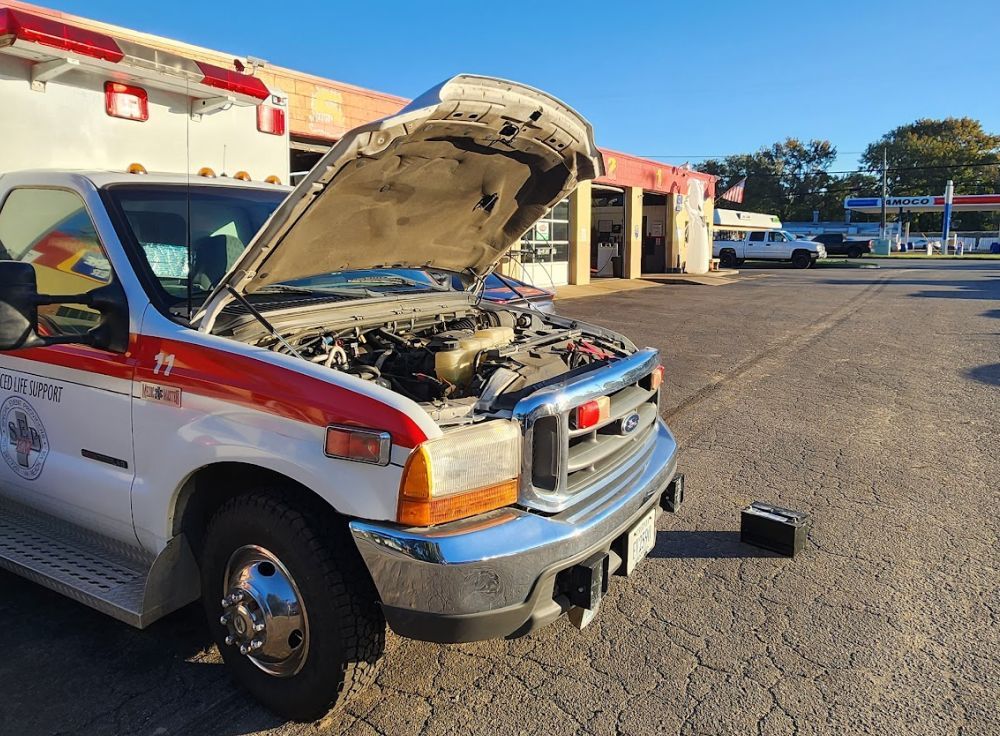
bEST CERTIFIED MECHANICS FOR FLEET VEHICLES
Unlock auto repair tips with 17th Street Automotive in Virginia Beach, VA. From oil changes to brake checks, we’ve got your car covered. Visit us today!
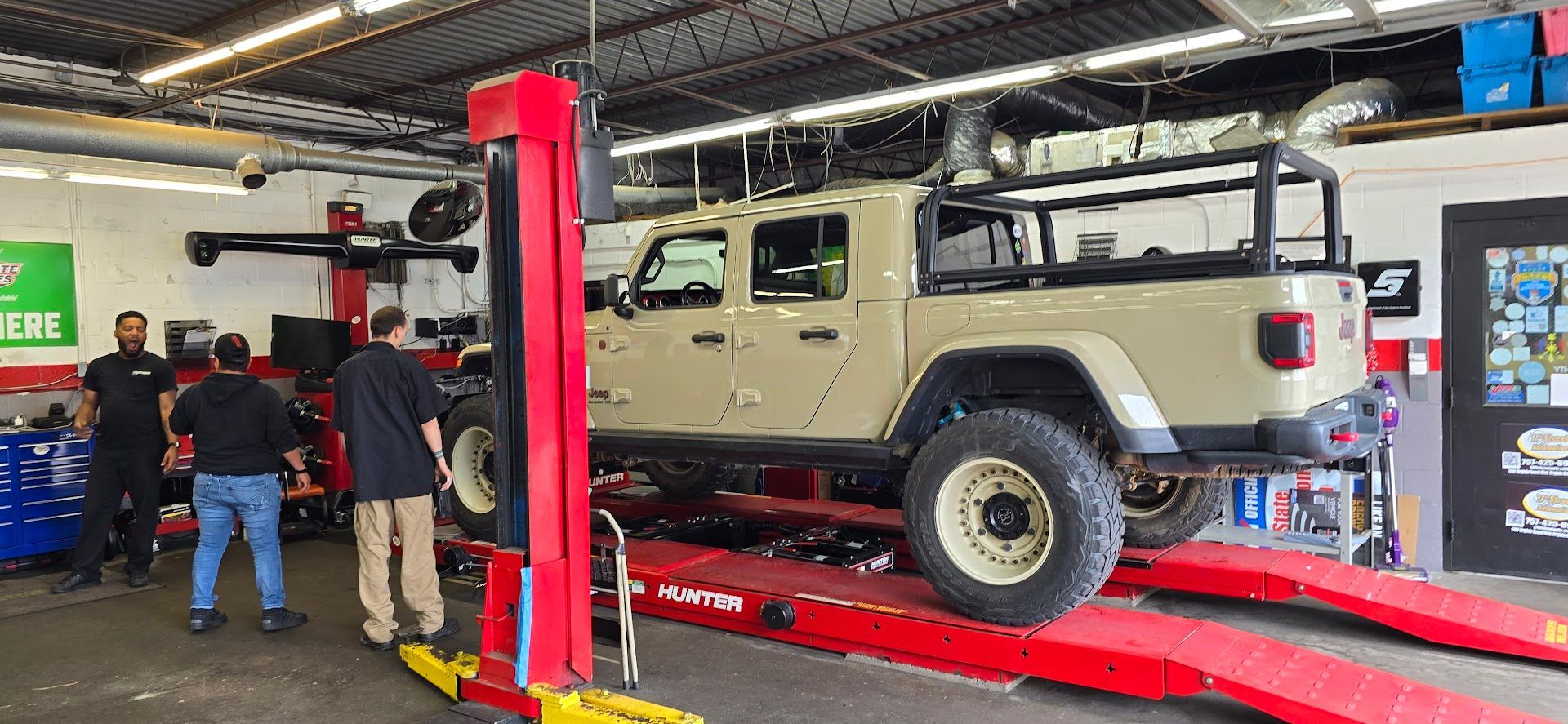
How to Sell Your Car for Top Dollar? Build Its Resume! Have you ever tried to sell a car, only to have the buyer aggressively lowball your asking price?
Optimize your fleet's performance with expert services in Virginia Beach. 17th Street Automotive offers reliability and precision. Schedule an online appointment now!