17th Street Automotive Pre Purchase Used Vehicle/Car/Truck custom detailed Inspection
Billy Cadaing • November 20, 2025
Our used vehicle pre purchase inspection procedures and documentation
When It Comes to Used Cars, We Inspect Them Like Our Family Will Drive Them
A look inside 17th Street Automotive’s Pre‑Purchase Inspection process
Buying a used vehicle can feel like a gamble. Was it maintained? Has it been in an accident? Are there hidden problems waiting to surprise you six months down the road?
At 17th Street Automotive, our job is to remove as much of that uncertainty as possible. Our pre‑purchase inspection (PPI) is built around one simple principle:
We inspect every vehicle as if we’re buying it for ourselves or for someone we love.
Below is a clear breakdown of what we do, how we do it, and why it matters for you before you sign on the dotted line.
1. Full-System Diagnostic Scan: More Than Just a Check Engine Light
Most shops will glance at the dash and, if there’s no warning light on, call it “good.” We go a lot deeper.
We pull DTCs (Diagnostic Trouble Codes) from all modules
Our technicians connect professional diagnostic equipment and scan every available control module (topography), including (as applicable):
Engine control module (ECM/PCM)
Transmission control
ABS and traction control
Airbag / SRS systems
Body control module
Infotainment and ADAS related modules (lane assist, adaptive cruise, etc.)
Why this matters:
Modern vehicles can store historical and pending trouble codes even when there are no visible warning lights. Those codes can reveal:
Intermittent electrical issues (rare)
Early signs of component failure
Past problems that were cleared but never fixed properly
You get a record of these codes in your inspection documentation so you can see exactly what we see.
2. TSBs, Recalls, and Service Campaigns: The Hidden Paper Trail
We don’t just look at the car—we look at the information behind it.
We pull and print manufacturer information:
Technical Service Bulletins (TSBs) related to that year/model
Recall notices and whether they’ve been addressed
Service campaigns and known pattern failures
We then highlight all open SAFETY
recalls and campaigns and explain what they mean in plain language.
Why this matters:
TSBs and recalls tell you what the manufacturer already knows about common issues on that vehicle. If there’s a known transmission issue at a certain mileage, or a common failure in the electronics, you’ll know before you buy.
3. Exterior & Glass: Beyond Cosmetic Concerns
A vehicle’s body tells a story. Our job is to read it.
We inspect for:
Previous body repairs or repainting (bondo filling)
Signs of structural damage or poor collision repair
Panel gaps or misalignments
Rust starting on the body or around trim
Condition of windshield, sunroof, and windows.... looking for cracks, chips, or delamination
Why this matters:
Body and glass issues affect more than looks. They can impact safety, resale value, and even how well advanced driver assistance systems (ADAS) function (many of them rely on cameras and sensors mounted behind the windshield).
4. Underbody & Structural Check: Where Problems Hide
A lot of serious problems never show up at eye level.
Underbody inspection includes:
Rust on frame rails, suspension components, exhaust, and brake lines
Loose, bent, or damaged components (visual inspection)
Condition of fuel and brake lines (rust can be labor intensive and cost could be higher)
Evidence of major impact or off-road damage
Why this matters:
Rust and underbody damage can turn a “good deal” into a money pit. Some rust issues are minor and manageable; others are structural and unsafe. Our ASE-certified technicians will tell you which is which and what it means for the life of the vehicle.
5. Fluids, Leaks & Maintenance Concerns
Fluids are the lifeblood of your car, and they tell us a lot.
We check:
Engine oil condition and level
Transmission fluid (where accessible)
Coolant condition and level
Brake fluid & power steering fluid (if applicable)
Differential and transfer case fluids (for AWD/4x4)
Any visible leaks from engine, transmission, cooling system, or accessories
We also look at current and upcoming maintenance intervals based on mileage and service history (if provided).
Why this matters:
Even a small leak can turn into a major repair. And if the vehicle is coming up on major services (timing belt, spark plugs, transmission service, etc.), we’ll help you understand what’s due, what’s overdue, and what it will roughly cost.
6. Brakes, Tires, and Safety Systems
Stopping and staying in control are non‑negotiable.
We evaluate:
Brake pad thickness and rotor condition
Brake lines and hoses for rust or damage
Parking brake function
Tire tread depth and wear patterns
Tire age (based on DOT date codes)
Suspension bushings, ball joints, tie rod ends, struts/shocks
Visible airbags/SRS components and warning indicators
Why this matters:
Uneven tire wear or noisy suspension might signal deeper steering or alignment issues. Thin brake pads and old tires are immediate safety concerns and real costs you’ll face sooner than later. We flag these clearly so you can factor them into your decision or negotiation.
7. ADAS & Software-Related Concerns (The New Frontier)
Modern vehicles are computers on wheels. That means:
Software updates may be needed for the engine control module (PCM) or other control units
ADAS systems (lane keeping, adaptive cruise, automatic braking, parking assist, etc.) may require calibration after glass replacement, body repairs, or suspension work
We help identify:
Whether software updates are recommended or required
Any ADAS warnings, malfunctions, or misbehavior
Potential costs associated with recalibration or updates
Why this matters:
These systems are great when they work, and expensive when they don’t. Understanding the potential cost of keeping all the “smart features” working properly is a key part of buying any newer used vehicle.
8. Real-World Test Drive: Not Just Around the Block
Some problems only show up when the vehicle is actually driven like a normal owner would drive it.
Our test drive includes a variety of conditions, such as:
Interstate speeds, so we can check for vibrations, noise, power delivery, and transmission behavior
Bumpy or uneven roads – to evaluate suspension, rattles, and ride quality
City-style driving, for stop-and-go smoothness, idle quality, and brake feel
We pay special attention to:
Steering feel and straight-line tracking
Pulsations, vibrations, or pulling under braking
Transmission shifting quality and timing
Noises from the engine bay, underbody, or wheels
Why this matters:
What seems “fine” at 25 mph can feel very different at 70 mph. Our goal is to uncover the issues you’d otherwise discover the hard way—after you own the vehicle.
9. Future Planning: No Surprises, Just Straight Talk
After we inspect and test, we don’t just hand you a stack of papers and send you on your way.
Our master ASE-certified technicians will:
Explain current issues in plain language
Outline likely upcoming repairs and maintenance based on age, mileage, and vehicle history
Separate items into:
Urgent/safety concerns
Suggest short-term needs
Long-term or “plan ahead” items
We’ll also discuss estimated cost ranges so you can decide whether:
The vehicle is a solid buy as-is
It’s worth buying but should be negotiated lower, better leverage for you as a consumer
Or it may be better to walk away and keep looking
Our goal is not to tell you what to do..... It’s to give you the clearest picture possible so you can make a confident decision.
10. The 17th Street Automotive Difference
There are a lot of places that will “look it over” for cheap. That’s not what we do.
At 17th Street Automotive:
We scan every module we can communicate with.
We provide printed DTC and TSB documentation.
We highlight recalls and campaigns so you don’t miss them.
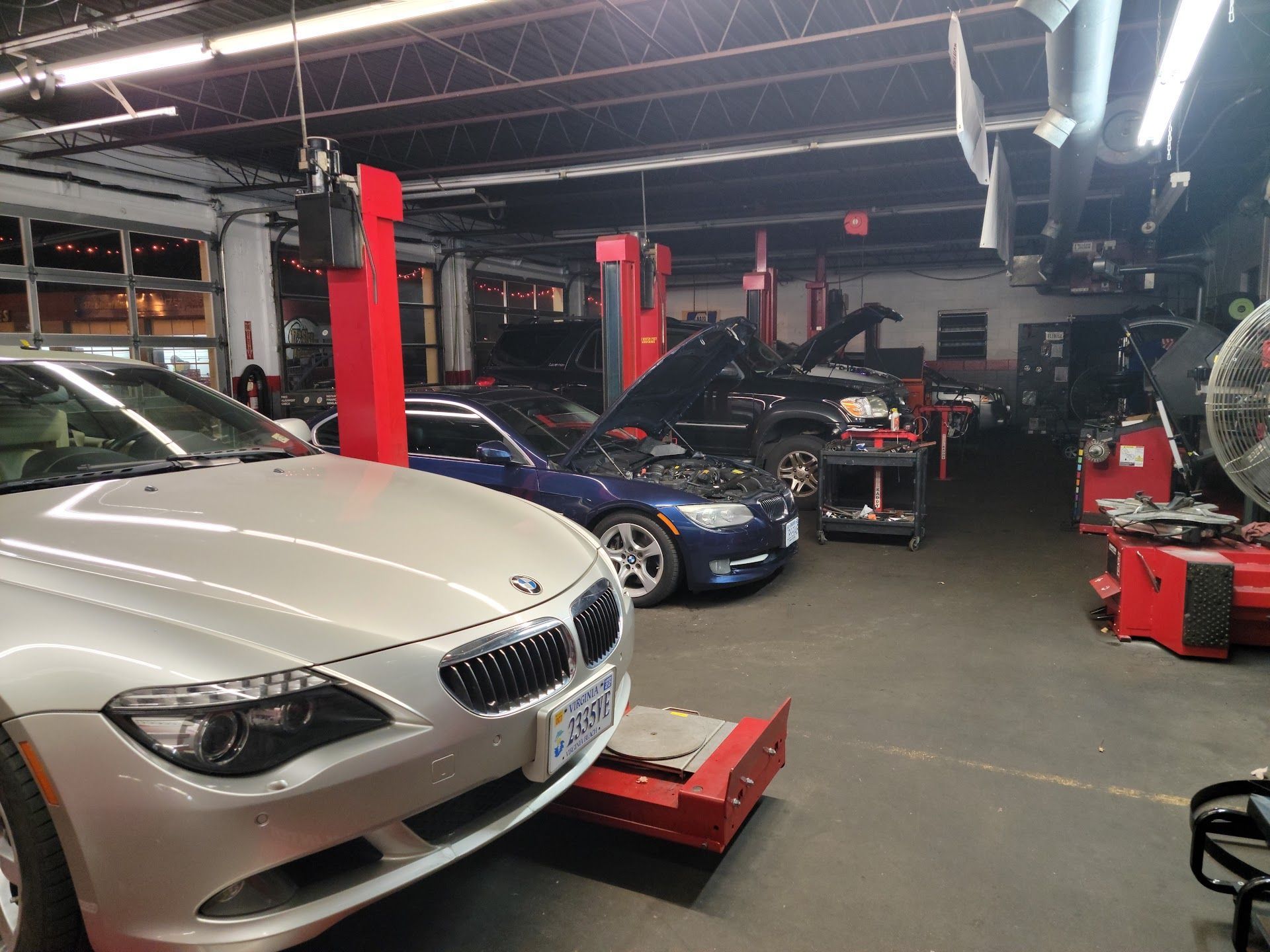
We put vehicles on a lift and inspect them top to bottom.
We test drive them in real‑world conditions.
We give you honest, experience, based guidance, like we would for our own family.
If you’re thinking about buying a used vehicle, bringing it to us for a pre‑purchase inspection is one of the smartest, lowest-cost decisions you can make in the whole process.
Expert hybrid & EV service in Virginia Beach at 17th Street Automotive. Ensure your vehicle runs smoothly. Visit us today!
Finding a Mechanic Who Actually Listens in Virginia Beach
Expert A/C & heat service at 17th Street Automotive in Virginia Beach, VA. Keep your car comfortable all year. Schedule an online appointment today!
Building Trust in virginia beach: Why 17th Street Automotive is Your Ultimate Choice.
bEST CERTIFIED MECHANICS FOR FLEET VEHICLES
Unlock auto repair tips with 17th Street Automotive in Virginia Beach, VA. From oil changes to brake checks, we’ve got your car covered. Visit us today!
How to Sell Your Car for Top Dollar? Build Its Resume! Have you ever tried to sell a car, only to have the buyer aggressively lowball your asking price?
Optimize your fleet's performance with expert services in Virginia Beach. 17th Street Automotive offers reliability and precision. Schedule an online appointment now!
Expert brake service and maintenance in Virginia Beach at 17th Street Automotive. Enhance safety and performance. Schedule an online appointment now!
The Real Reason European Auto Repair Costs More