OBD1 vs. OBD2: How Right to Repair Changed the Game and Why It Matters More Than Ever
Billy Cadaing • March 18, 2025
The automotive industry has come a long way in vehicle diagnostics and repair accessibility. The shift from OBD1 (On-Board Diagnostics 1) to OBD2 was one of the biggest milestones, thanks in large part to the Right to Repair movement.
Now, with the rise of hybrids, electric vehicles (EVs), ADAS (Advanced Driver Assistance Systems), AI-driven technology, and autonomous vehicles, the fight for repair access is more critical than ever.
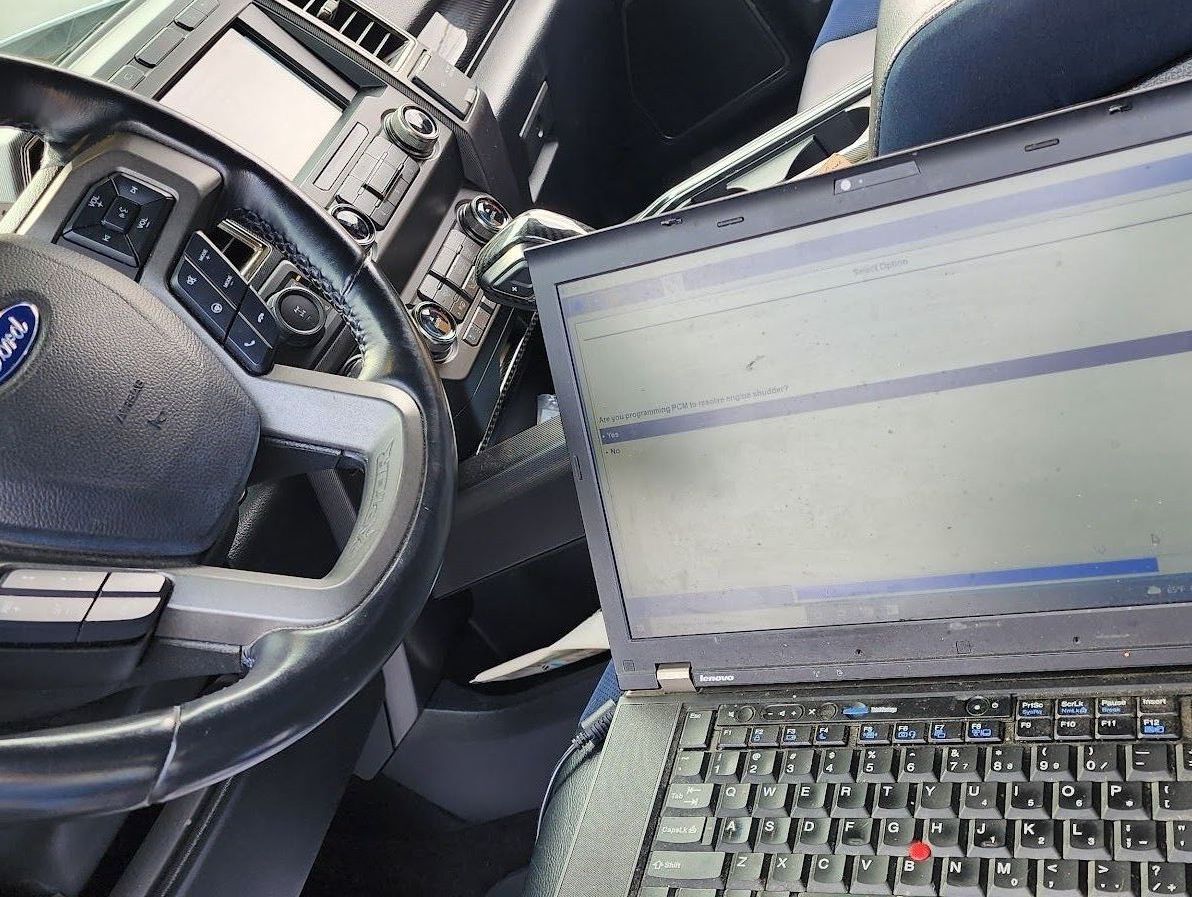
What Was OBD1?
Introduced in the 1980s, OBD1 was the first attempt at electronic vehicle diagnostics. However, it had significant limitations:
✅ Manufacturer-Specific Systems – Each automaker had its own proprietary diagnostic port and communication protocols.
✅ Limited Data & Codes – OBD1 provided only basic fault codes, requiring technicians to rely on trial-and-error troubleshooting.
✅ No Standardized Connection – Mechanics needed different tools and software for each vehicle brand, making repairs expensive and time-consuming.
How Right to Repair Led to OBD2
By the mid-1990s, consumer advocacy and independent repair shops pushed for standardized vehicle diagnostics, leading to the OBD2 system, which became mandatory in 1996.
🔹 Universal Access – OBD2 created a single diagnostic port across all makes and models.
🔹 Standardized Codes – Trouble codes became uniform across manufacturers, making repairs more straightforward.
🔹 Real-Time Data – Mechanics could now see live engine data, making troubleshooting faster and more precise.
🔹 Emission Regulations – OBD2 also helped enforce EPA emission standards, allowing easier monitoring of catalytic converters, oxygen sensors, and other components.
By implementing OBD2, Right to Repair made diagnostics accessible to independent mechanics, allowing them to compete with dealerships and giving vehicle owners the freedom to choose where they get repairs.
Why Right to Repair Matters Even More Today
🚗 Hybrid & EV Technology
– Unlike traditional vehicles, EVs rely entirely on software-based diagnostics. Automakers are increasingly locking repair data behind proprietary systems, preventing independent shops from accessing crucial fault codes.
🔧 ADAS (Advanced Driver Assistance Systems)
– Systems like lane departure warning, automatic braking, and adaptive cruise control require calibration after alignments, suspension work, and windshield replacements. Some manufacturers restrict this to dealerships, making repairs costlier and less accessible.
🤖 AI & Autonomous Vehicles
– With AI-driven systems controlling braking, acceleration, and steering, independent shops need access to software updates, sensor recalibrations, and diagnostic tools. Without Right to Repair, vehicle owners will be forced into manufacturer-controlled maintenance.
🔋
Battery Repair & Recycling
– EV battery replacements, repairs, and recycling efforts are being limited by automakers. Companies like Tesla restrict third-party access to battery diagnostics and cell-level repairs, pushing for full pack replacements instead of cost-effective solutions.
The Future of Right to Repair
If We Don’t Fight for It Now, Independent Repair Shops Will Disappear
Manufacturers are trying to lock down diagnostics, over-the-air updates, and parts availability. Without Right to Repair laws protecting consumers and independent mechanics, vehicle owners will have no choice but to rely on expensive dealership repairs.
🔴 What Can You Do?
✔️ Support legislation pushing for automotive repair data transparency
✔️ Choose independent shops like 17th Street Automotive that advocate for fair repair practices
✔️ Stay informed on Right to Repair updates and vote for policies that protect consumer choice
At 17th Street Automotive, we believe in your right to repair—whether you drive a gas-powered, hybrid, or fully electric vehicle. We invest in cutting-edge diagnostic tools and training to keep your car running, no matter what manufacturers try to restrict.
🚗💡 Have questions about your vehicle’s diagnostics, ADAS calibration, or EV maintenance? Contact us today!
Expert A/C & heat service at 17th Street Automotive in Virginia Beach, VA. Keep your car comfortable all year. Schedule an online appointment today!
Building Trust in virginia beach: Why 17th Street Automotive is Your Ultimate Choice.
bEST CERTIFIED MECHANICS FOR FLEET VEHICLES
Unlock auto repair tips with 17th Street Automotive in Virginia Beach, VA. From oil changes to brake checks, we’ve got your car covered. Visit us today!
How to Sell Your Car for Top Dollar? Build Its Resume! Have you ever tried to sell a car, only to have the buyer aggressively lowball your asking price?
Optimize your fleet's performance with expert services in Virginia Beach. 17th Street Automotive offers reliability and precision. Schedule an online appointment now!
Expert brake service and maintenance in Virginia Beach at 17th Street Automotive. Enhance safety and performance. Schedule an online appointment now!
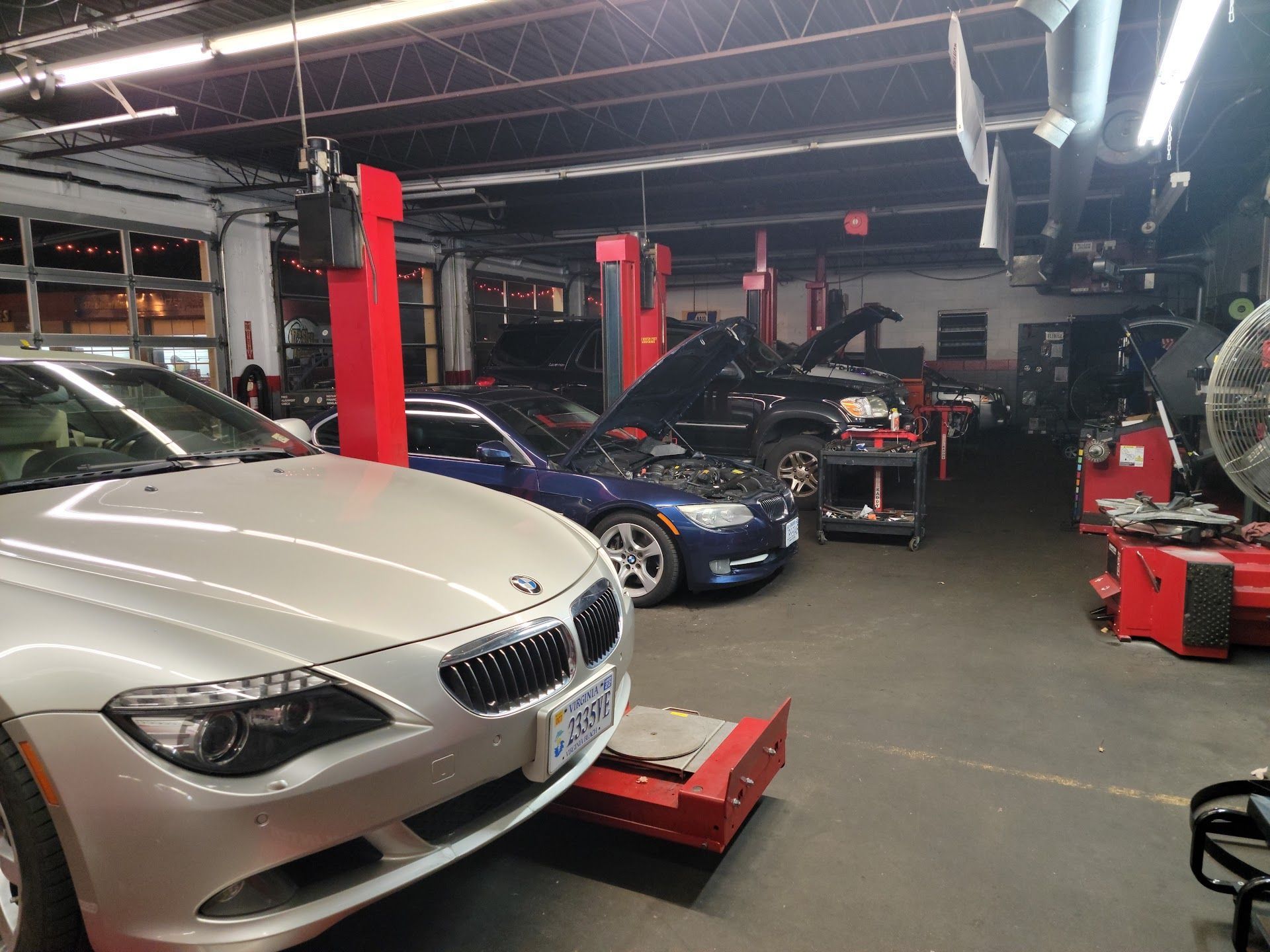
The Real Reason European Auto Repair Costs More
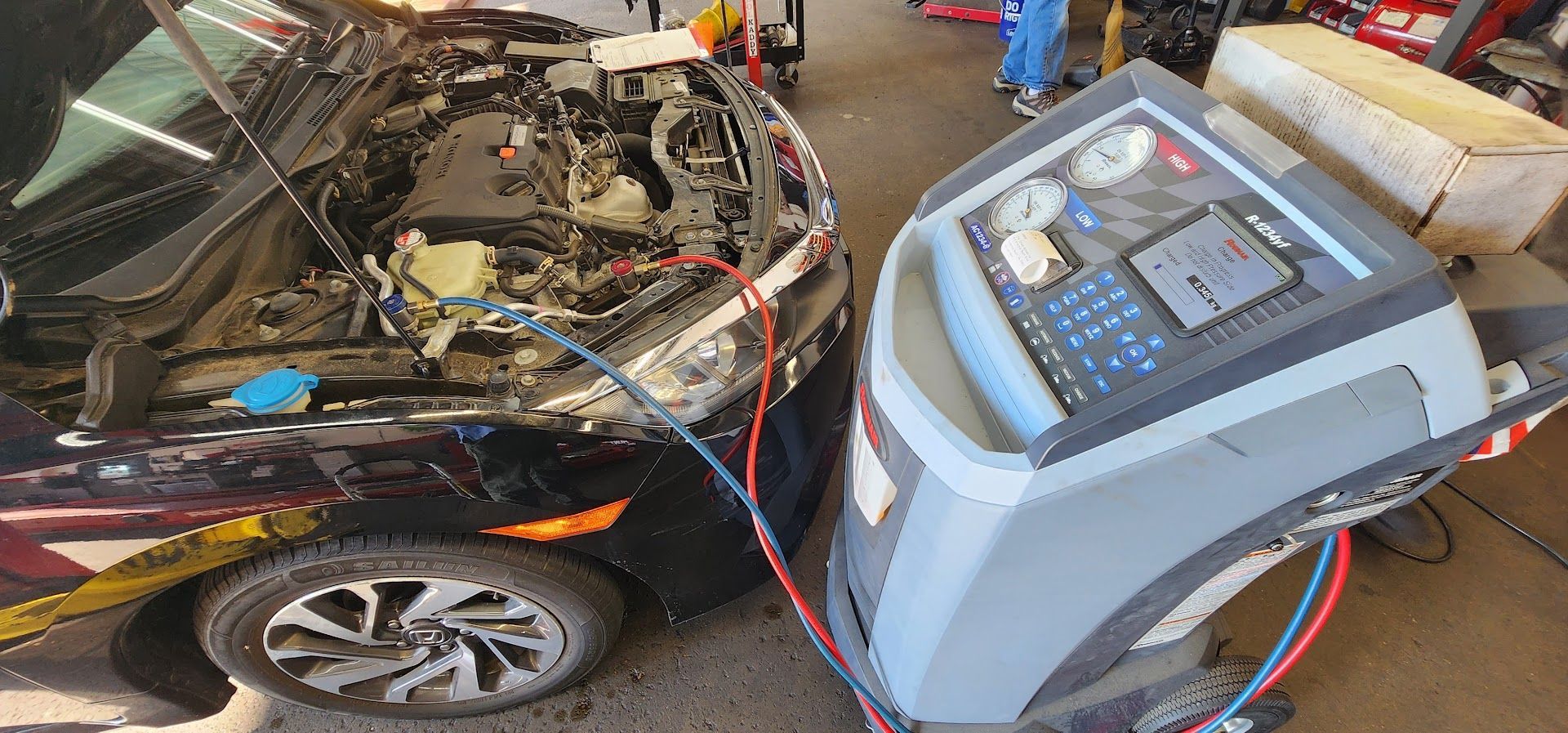
THE 17TH STREET AUTOMOTIVE VEHICLE A/C DIAGNOSTIC & REPAIR GUIDE
Optimize your car’s comfort at 17th Street Automotive in Virginia Beach. Expert A/C & heating services ready for your vehicle. Schedule an online appointment now.